

The IT Architecture Myth: Breaking Free from Outdated Beliefs
Updated: Sep 3, 2025
For years, IT architecture has been shrouded in misconceptions and misinterpretations. The field has often been reduced to buzzwords, fragmented diagrams, and tools that fail to capture the full picture. But here's the reality: IT architecture, as we know it, is overdue for a transformation. To drive meaningful change, we need to break free from outdated beliefs and embrace a holistic, strategic approach to architecture.

The Myth of IT Architecture
One of the most persistent myths about IT architecture is that it’s synonymous with coding patterns, tools, or vendor frameworks. Terms like microservices, Agile workflows, or 3-tier architectures are often presented as the backbone of IT architecture. In truth, these are implementation details—valuable but far from defining architecture itself.
Imagine constructing a skyscraper and calling the choice of bricks or cement the "architecture." It’s an absurd comparison, yet this is exactly how IT architecture has been treated for decades.
Another common myth is that architecture is optional. Many IT systems operate with only 5–10 scattered diagrams that may or may not align with business goals. Unlike construction, where comprehensive blueprints guide every stage, IT often relies on mental models and informal documentation. This ad-hoc approach creates silos, miscommunication, and systems that are difficult to scale or adapt.
The Reality: IT Architecture as a Strategic Discipline
To illustrate how IT architecture must evolve, consider the case of an Online Booking Platform. Such a platform handles complex interactions—managing user bookings, payment processing, inventory management, and notifications. Here’s how the myths manifest and the reality can solve them:
Myth in Action
Fragmented Discussions:
Teams focus on individual services like a booking engine, payment gateway, and email notifications without aligning these components to a larger vision.
Diagrams such as class models or API designs exist in isolation, leaving gaps in how these elements interact.
Overemphasis on Tools:
Developers prioritize implementing microservices, sprints, and DevOps pipelines without tying these to business goals, such as reducing user drop-off rates or increasing booking conversions.
Ad-Hoc Adaptations:
New features or integrations are bolted on without considering the platform’s overall structure, leading to technical debt and scalability issues.
The Strategic Approach
Using the ICMG Enterprise Anatomy Framework, the booking platform can be transformed into a scalable and cohesive system:
Goals/Strategy Perspective:
Define objectives such as reducing booking time to under 2 minutes or increasing cross-selling opportunities during checkout.
Business/Process Perspective:
Map end-to-end workflows, such as user searches, booking confirmations, and payment processing, to ensure alignment with strategic goals.
System/Models Perspective:
Create interconnected system models that link search engines, inventory management, and payment gateways.
Technology/Components Perspective:
Specify APIs, databases, and microservices with clear responsibilities and integration points.
Implementation Perspective:
Plan the step-by-step deployment of components, ensuring integration and future scalability.
Operations Perspective:
Define monitoring and reliability frameworks to ensure uptime and handle peak booking periods.
Breaking Free: Steps to Embrace True IT Architecture
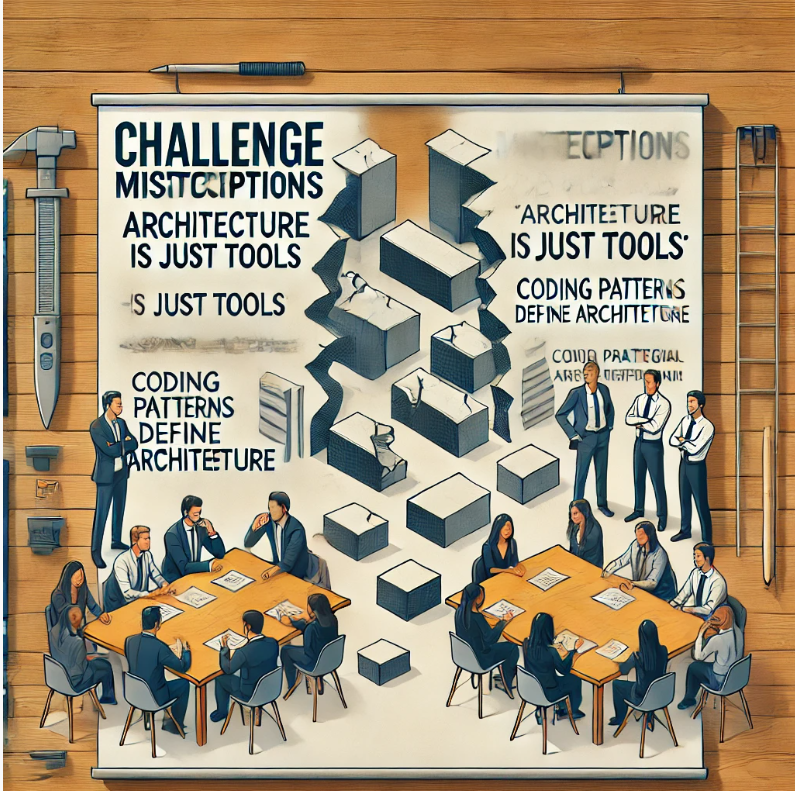
Challenge Misconceptions: Recognize and reject the notion that architecture is just coding patterns or tools.
Prioritize Visual Models: Create detailed, standardized diagrams that capture the complete system anatomy.

Adopt Holistic Frameworks: Use frameworks that integrate strategy, processes, systems, components, implemention and operations.

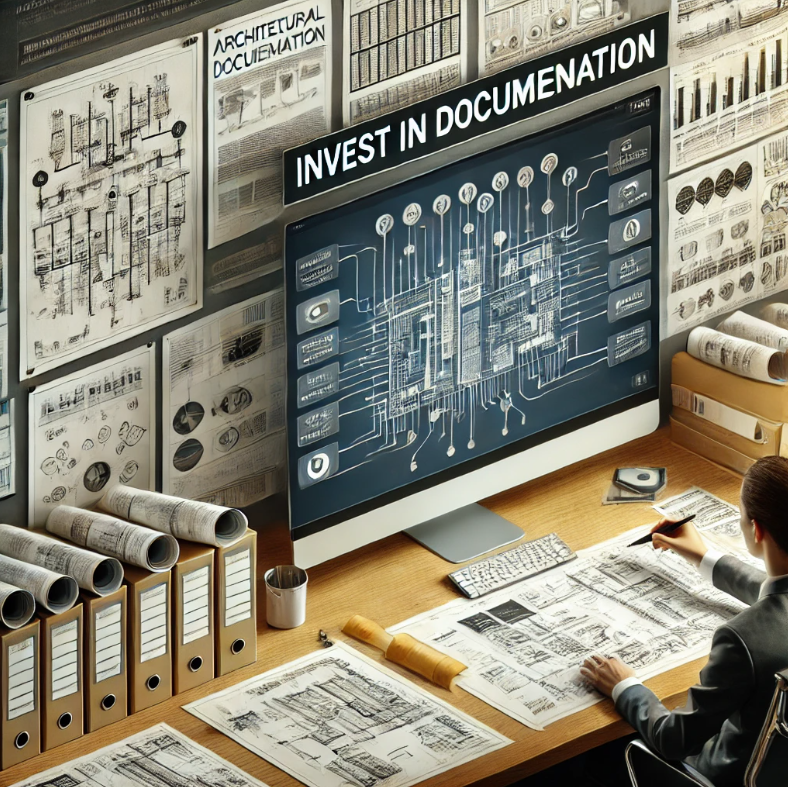
Invest in Documentation: Treat architecture as the guiding blueprint for all technical decisions.
Lessons from the Online Booking Platform
When IT architecture is treated as a strategic discipline:
Alignment: The platform’s goals, workflows, and systems are documented and interconnected, reducing silos.
Scalability: New features and services can be added without disrupting the existing structure.
Efficiency: Teams collaborate effectively, working from a unified blueprint rather than fragmented models.
Resilience: The platform can adapt to user demands, technological advancements, and market changes.
Breaking free from the myths surrounding IT architecture requires a fundamental shift in mindset. The example of an online booking platform highlights how fragmented approaches fail and how a unified anatomy can drive alignment and scalability.
It’s time to move beyond fragmented thinking and embrace architecture as a strategic discipline. By doing so, we can create systems that are not only robust and scalable but also aligned with the dynamic needs of businesses.
Let’s challenge the myths, redefine IT architecture, and build a foundation for sustainable success. Because what’s at stake isn’t just the systems we build today—it’s the future of IT itself.


Comments